Atlas Fabric
Defence programs
Sensors, edge systems, embedded integration and fieldable prototypes with a reviewable record for Canadian defence opportunities.
Defence innovation →Engineering and systems integration
Atlas designs the systems and information layer around real operations, including defence programs and plant floors, and keeps requirements, decisions and evidence connected.
Atlas Engineering is the systems-integration capability used across both Atlas lanes: Defence Innovation and Manufacturing Modernization.
Sensors, edge systems, embedded integration and fieldable prototypes with a reviewable record for Canadian defence opportunities.
Defence innovation →Connectivity, operational records and integration around existing visibility systems. Atlas does not replace the RFID or middleware vendor. We work alongside that layer.
Manufacturing modernization →The rack-mount appliance that holds the information foundation on the local network. Selected records, controlled access, and approved tools on top.
Atlas Fabric Node →Design from the plant floor or program constraint to the systems of record the team will actually use.
Reliable data paths, access and on-site processing when the operation cannot depend on the public internet.
Selected drawings, procedures, production records or program evidence in a trusted place, not unrestricted access to every system.
Connect location, sensor or workflow events to the context the team already uses. Partner middleware stays with that partner.
Canadian partners support scoped fabrication and on-site install. Atlas owns the engineering plan and review.
Atlas keeps requirements, references, design notes and operating constraints linked in one working map. Trade studies and build choices stay reviewable, and the next step starts from what the last one learned.
For Canadian defence programs, the same method covers sensors, edge inputs, embedded integration and fieldable prototypes. Physical work leaves a reviewable record tied to program requirements.
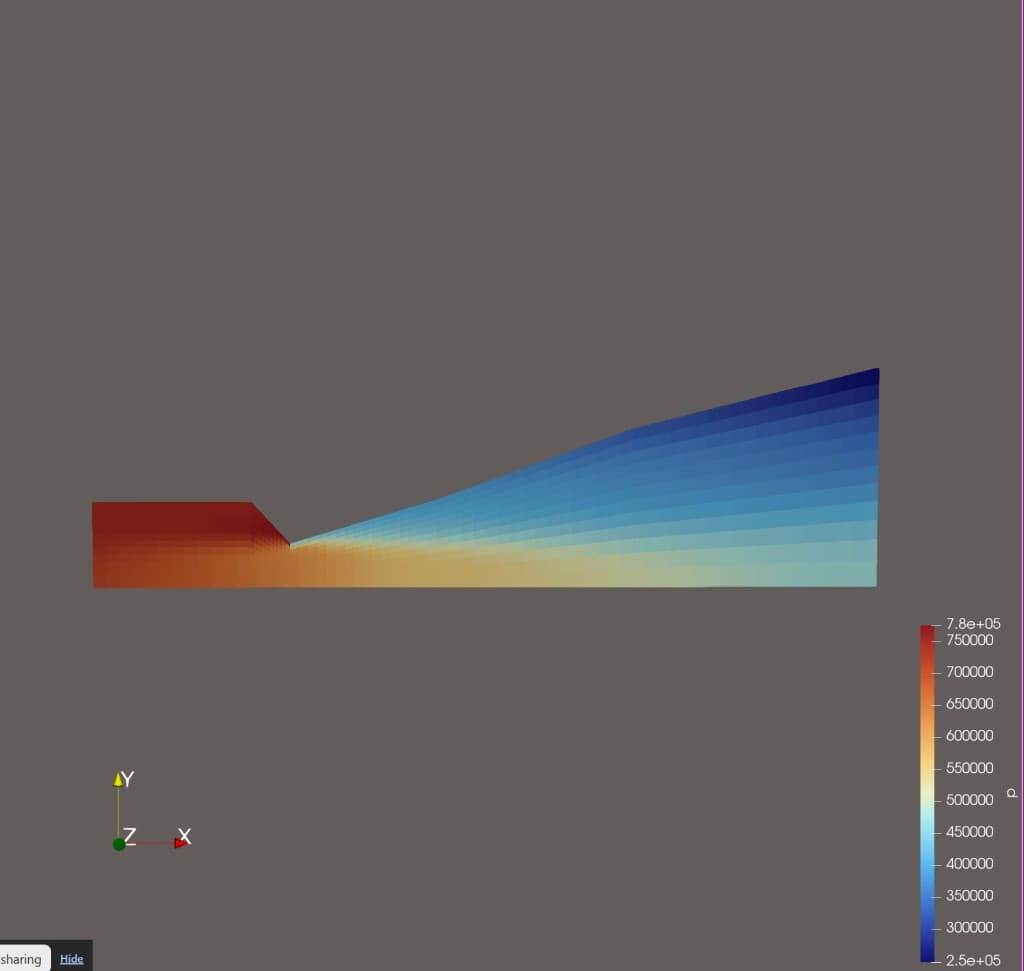
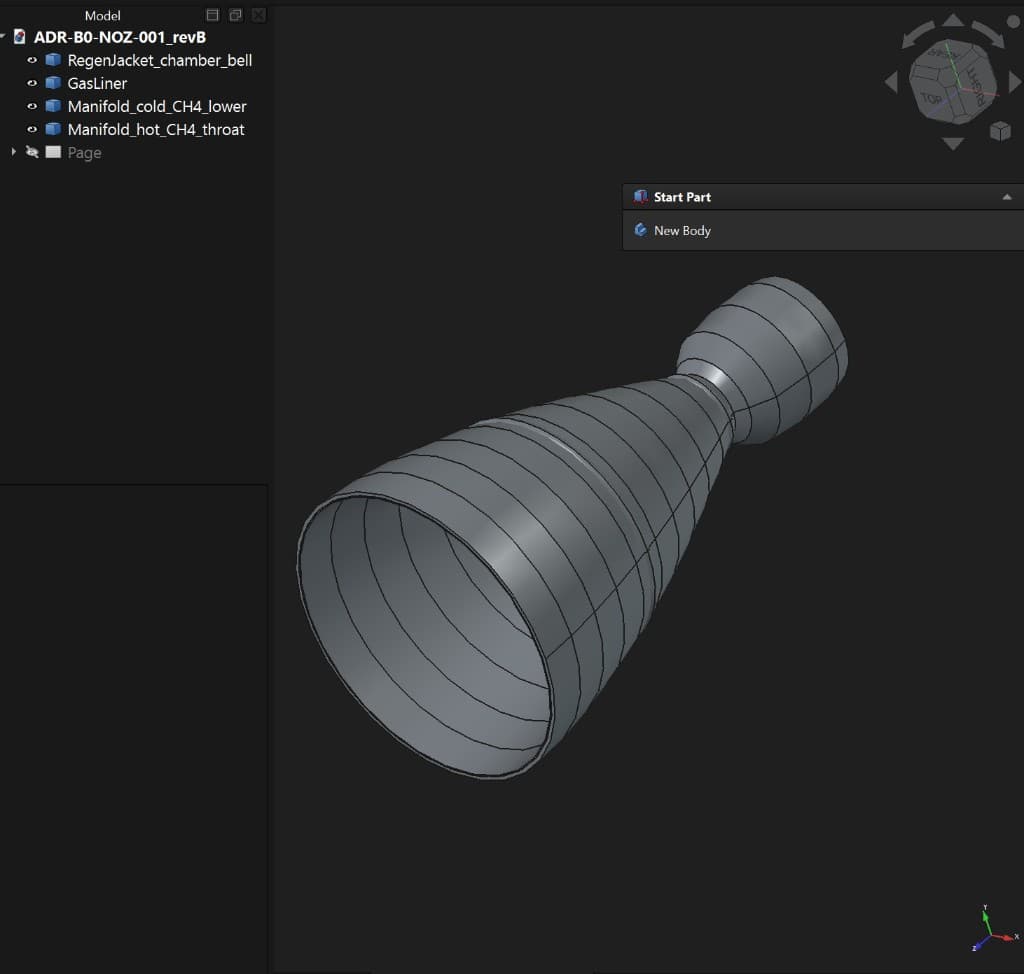
CAD, CFD, FEA and linked design notes help Atlas move from requirements to prototype decisions with a clear record of why a path was chosen.
For manufacturers running complex operations, including plants with existing visibility programs, Atlas engineers the systems and information layer around the floor. Detail lives on Manufacturing Modernization.
Atlas is bringing design, engineering and embedded systems development in house. Canadian partners support scoped fabrication, machining and field work under written direction. Atlas does not claim to manufacture all systems in-house.