How Atlas works

An on-site device. Your data. Your tools.

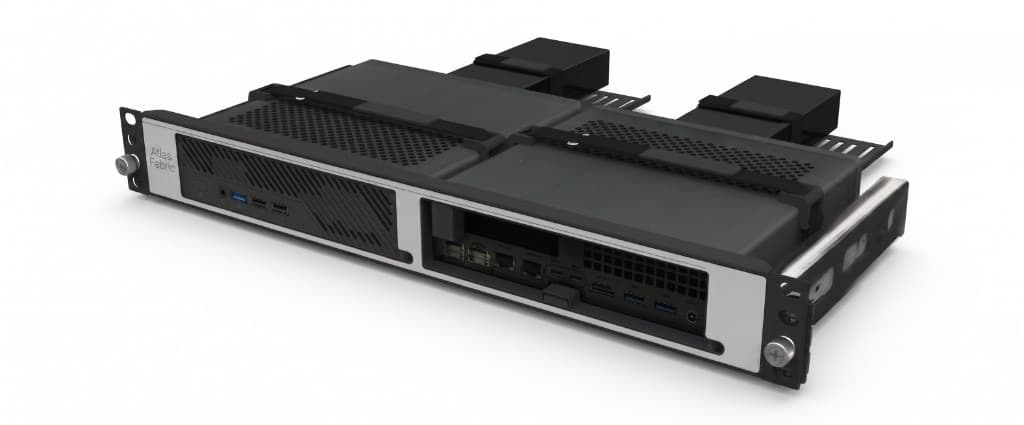
Atlas deploys an on-premise device loaded with engineering capabilities. It stores and serves your selected information so the work stays on site.

You pick an approved interface your organization already uses and connect it to that device. Those tools get real capability on your data. You do not replace the foundation when the front-end app changes.

In plain terms

  1. 01

    Deploy on site

    Atlas installs an on-premise device on your network with the services your team needs.

  2. 02

    Keep your data local

    Selected drawings, procedures, records and engineering material stay on the device, not scattered into a general cloud chat.

  3. 03

    Choose your interface

    Teams keep using the AI or workspace apps your organization already approves.

  4. 04

    Connect for capability

    Those apps connect to the on-site device for search, retrieval and task-specific tools on your selected information.

The shape of a deployment

Your selected information

Drawings, procedures, specs, QC and other records you choose to include.

On-site Atlas device

Local storage, processing and controlled capability tools under your network.

Approved interfaces

The AI or workspace apps your organization already approves. Change the front end later without rebuilding the local foundation.

Pick the interface

Start with the apps your team already uses. Compatibility is confirmed per deployment against your network and security requirements.

  • Approved AI applications
  • Approved workspace tools
  • Other compatible apps your organization authorizes

Available connection methods depend on the application, your network and security requirements. Atlas does not sell or endorse third-party products.

Same foundation, next interface

When your organization adopts a new approved app, it can connect to the same on-premise device for the same local data and engineering capability. The Atlas device stays; the front-end product can change.

Your data stays yours

The point of the device is control: selected information and engineering capability stay on premise. Remote maintenance, if used, stays private and subject to your IT policy.